
Coorg and Chikkamagaluru: a plantation homestay in practice
The state rules are the straightforward part in coffee country. What separates a profitable estate homestay from an expensive hobby is the road, the rain, the water and the people.
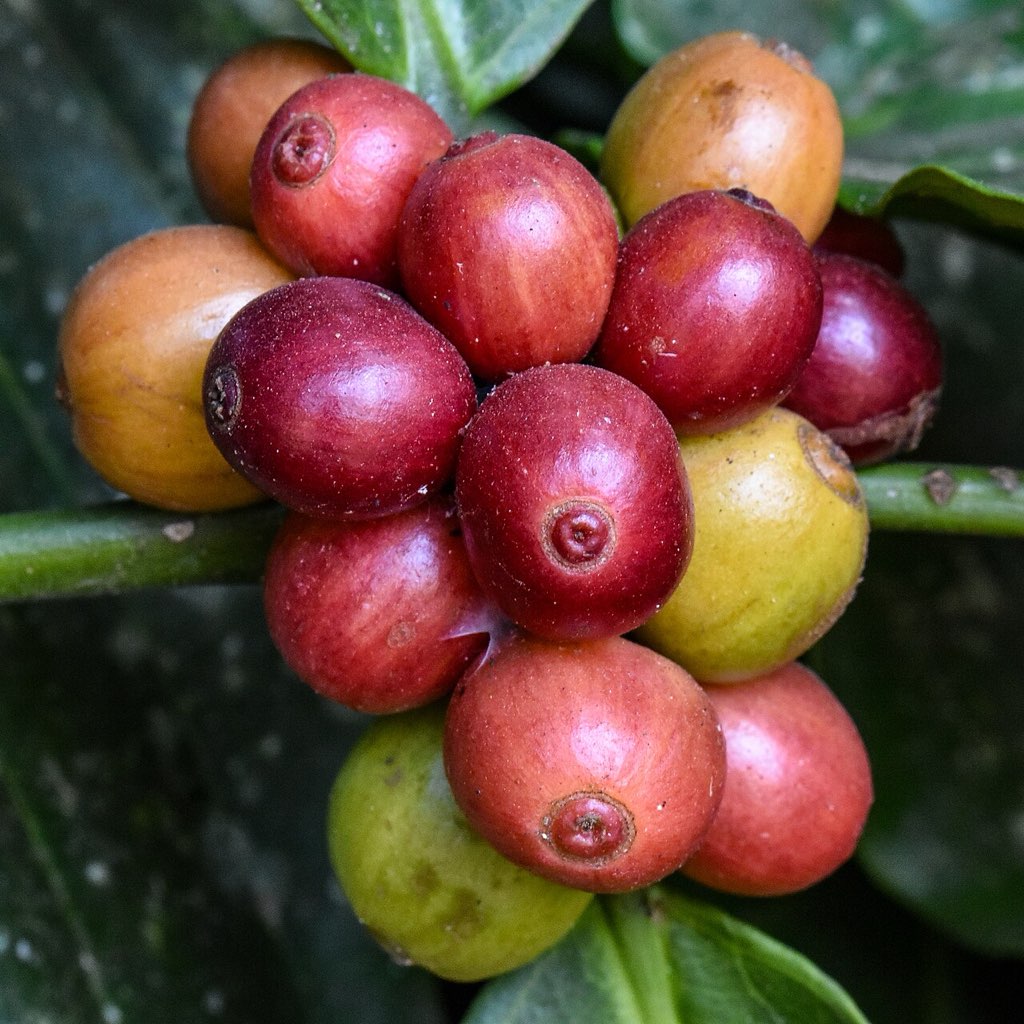
Kodagu and Chikkamagaluru hold the densest concentration of homestays in South India, and the reason is structural rather than romantic: the Karnataka scheme is built around a lived-in residence and expressly contemplates one on a farm or plantation, so an estate bungalow with a family in it fits the definition without any contortion. The file goes online to the revenue district’s Deputy Commissioner. One question is worth settling early with the approval committee: whether separate cottages or old workers’ quarters can be counted inside the registered residence, because that answer decides where you spend.
The road decides your reviews
Estate approaches are private, unlit and often steep. A guest in a small hatchback arriving after dark, with a phone map that ends half a kilometre short of your gate, has already decided how the review will read. Three fixes pay for themselves: an arrival note with a landmark and a location pin tested from the main road, reflective signs at every fork, and an honest sentence in the listing about the last stretch and the ground clearance a car needs. In the wet months, say plainly whether a low car makes it at all.
Monsoon is an operating season, not a pause
- From June to September the rain is more or less continuous: damp, mould on mattresses and leather, and silverfish in books are routine, not exceptional.
- Airing and warming rooms between stays, storing linen sealed, and checking roofs and gutters before the first heavy week all cost less than one ruined set of furnishings.
- Slips and fallen trees close local roads. Keep a written rule for the guest who cannot arrive and the guest who cannot leave, and keep two extra days of essentials in the house.
- Leeches, wet paths and slippery steps deserve a spoken briefing and a torch in every room, not a disclaimer buried in the house rules.
Power and water
Outages during storms are normal here. An inverter that carries lights, fans and the router through an evening, a generator sized for the water pump, and a labelled fuel stock turn a blackout into a non-event. Water usually comes from a well or a spring: have it tested, keep the filtration serviced, and know your fallback before a full house arrives rather than during it.
People, not systems
An estate homestay lives on two or three people who cook, clean and greet. Pay them properly, train one of them to check a guest in and to take the passport details a foreign visitor requires, and never let a single arrival depend on your own phone signal. Breakfast is part of what a registered Karnataka homestay offers, so the kitchen is not an optional extra.
What guests are actually buying
Coffee walks, silence, a bonfire that is permitted, food cooked in the house, and directions to water that is not crowded. Sakleshpur, the Kabini side and the Chikkamagaluru slopes each draw a slightly different visitor, and wildlife outings or night driving deserve real safety instructions rather than enthusiasm. Rates hold in the post-monsoon months and through the year-end; the trough is where discipline is tested.
Where Hexuvium fits
You keep the registration and the family welcome, which are the reasons guests come. We take the listing, the rates through the quiet weeks, the messages at midnight and the foreign-guest filings.
Frequently asked questions
Can a plantation house be registered as a homestay in Karnataka?
Yes. The scheme expressly contemplates a privately owned residence on a farm or plantation, with the owner or immediate family living in it.
Do separate cottages on the estate count?
Ask the approval committee before you build or furnish them, and keep the answer in writing. The registered unit is the residence, and the room cap applies to it.
What is the biggest avoidable cost in coffee country?
Monsoon damage to furnishings, and a reputation lost on the last kilometre of road. Both are prevented by planning rather than by spending.
Is breakfast really part of the offer?
In Karnataka, yes. Plan the kitchen and the staffing around it rather than treating it as an extra.
In this guide
- Registering a homestay or B&B in India, state by state
- Registering a homestay in Karnataka under the 2025 guidelines
- Getting a Kerala homestay classified by the Department of Tourism
- Tamil Nadu: the registration questions to settle before you list
- How to register a homestay or B&B in Goa
- Registering a homestay or B&B in Maharashtra
- Delhi bed & breakfast registration: a scheme in transition
- Registering a homestay in Himachal Pradesh under the 2025 rules
- Registering a homestay under Rajasthan's 2026 scheme
- Homestay or B&B: registering a property in Uttarakhand
Areas
State pages
More free tools
Sources
- Karnataka Tourism — official homestay registration guidelines (Revised 2025)
- Guidelines for Registration of Homestay Establishments, 2025 (PDF)
- Immigration and Foreigners Act, 2025 — sections 8 and 23 (text)
- Bureau of Immigration — Form C / Form III portal
Updated 27/09/2026 — rules change: always check the latest official text.
Thinking of renting out your home?
Free, no-obligation estimate from Hexuvium, managing short-term rentals since 2015. Prefer WhatsApp? Leave your number — we reply there.
Get a free income estimate