
Homestay or B&B: registering a property in Uttarakhand
Uttarakhand now draws a hard line: the homestay label is for permanent residents who host in their own homes. Owners from outside the state, or those who rely on a caretaker, go through the Bed & Breakfast route.
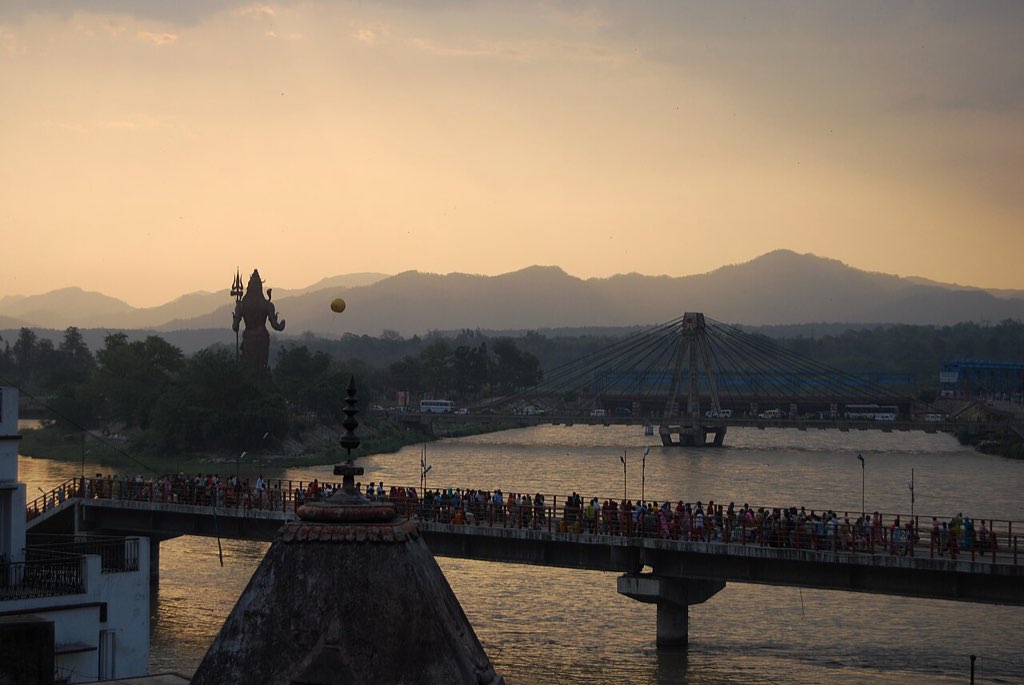
Rishikesh, Mussoorie, Nainital and the villages of Kumaon and Garhwal have thousands of registered homestays — around 6,000, according to the Uttarakhand Tourism Development Board (UTDB) in January 2026. The state had long promoted them, including through its Deen Dayal Upadhyaya Grah Aawas (Home-Stay) Vikas Yojana. In 2026 it tightened who may use the homestay label, and brought all tourism businesses under one registration framework.
Two categories, two sets of owners
- Homestay: reserved for permanent residents of Uttarakhand who run the homestay in their own home and live there.
- Bed & Breakfast: the route for owners from outside the state and for properties operated through caretakers.
For an investor in Dehradun or an NRI with a cottage above Nainital, this matters: unless you are a permanent resident living on site, plan for the B&B category from day one.
The 2026 registration rules
The Uttarakhand Tourism and Travel Business Registration Rules, reported in force in June 2026, place homestays and B&Bs under the UTDB. As reported:
- a homestay may have at most eight rooms and 24 beds;
- the registration fee is ₹1,000 for a homestay and ₹5,000 for a bed & breakfast unit;
- registration is valid for five years and must then be renewed — it used to be a one-time formality;
- units are graded gold, silver or bronze according to infrastructure and amenities;
- operators must keep visitor records, display a QR-coded certificate, and provide fire safety and parking;
- operating without registration, or in breach of the rules, attracts a penalty of at least ₹10,000.
These figures come from press coverage of the rules. Before paying or signing anything, check the notified text and the fee schedule with the UTDB or your District Tourism Officer, since grading may affect what you are asked for.
Foreign guests and tax
Rishikesh in particular draws many foreign visitors. Every one of them must be reported through Form-III (formerly Form C) on indianfrro.gov.in within 24 hours of arrival, under the Immigration and Foreigners Act, 2025. On GST, rooms up to ₹7,500 a night have been taxed at 5% without input credit since 22 September 2025, and at 18% above; your accountant should confirm whether you must register.
Practical checklist
- Decide your category honestly: resident host or B&B.
- Gather ownership papers and identity proof.
- Check fire safety equipment and parking before the inspection.
- Note the renewal date: five years goes quickly.
Existing homestays registered before 2026
If your property was registered under the earlier one-time system, do not assume the old certificate carries on indefinitely. The move to five-year registration and the new split between homestay and B&B mean that owners who are not permanent residents, or who rely on a caretaker, should ask the UTDB whether they need to re-register in the B&B category, and by when.
Where Hexuvium fits in Uttarakhand
For owners outside the state, the B&B category is the one we work with. The registration stays in the owner's name; under a management mandate we coordinate the on-site caretaker, the listings, guest messages, cleaning, visitor records and Form-III. For resident families running a true homestay, we can help with the online side while they remain the hosts.
Frequently asked questions
Can a non-resident of Uttarakhand run a homestay?
Not under the homestay label, which is now reserved for permanent residents hosting in their own homes. Non-residents and caretaker-run properties register as Bed & Breakfast.
What is the registration fee in Uttarakhand?
As reported for the 2026 rules: ₹1,000 for a homestay and ₹5,000 for a bed & breakfast. Confirm with the UTDB before paying.
How long is registration valid?
Five years, after which it must be renewed.
Is there a penalty for operating without registration?
Press reports on the 2026 rules mention a minimum penalty of ₹10,000.
In this guide
- Registering a homestay or B&B in India, state by state
- Registering a homestay in Himachal Pradesh under the 2025 rules
- Delhi bed & breakfast registration: a scheme in transition
- Registering a homestay under Rajasthan's 2026 scheme
- How to register a homestay or B&B in Goa
- Registering a homestay or B&B in Maharashtra
- Getting a Kerala homestay classified by the Department of Tourism
- Registering a homestay in Karnataka under the 2025 guidelines
Areas
State pages
More free tools
Sources
- Pioneer Edge — Uttarakhand tourism registration rules 2026 in force (June 2026)
- Indian Masterminds — homestays for permanent residents, 5-year renewal (Jan 2026)
- myScheme — Deen Dayal Upadhyaya Grah Aawas (Home-Stay) Vikas Yojana
- Uttarakhand Tourism — homestay FAQ
- Immigration and Foreigners Act, 2025 — sections 8 and 23 (text)
- GST Council FAQ (Sept 2025) — hotel accommodation up to ₹7,500
Updated 27/09/2026 — rules change: always check the latest official text.
Thinking of renting out your home?
Free, no-obligation estimate from Hexuvium, managing short-term rentals since 2015. Prefer WhatsApp? Leave your number — we reply there.
Get a free income estimate