
Registering a homestay or B&B in India, state by state
There is no single national licence for renting your home to travellers in India: each state writes its own rules. This guide shows owners what applies where, and what to check before the first booking.
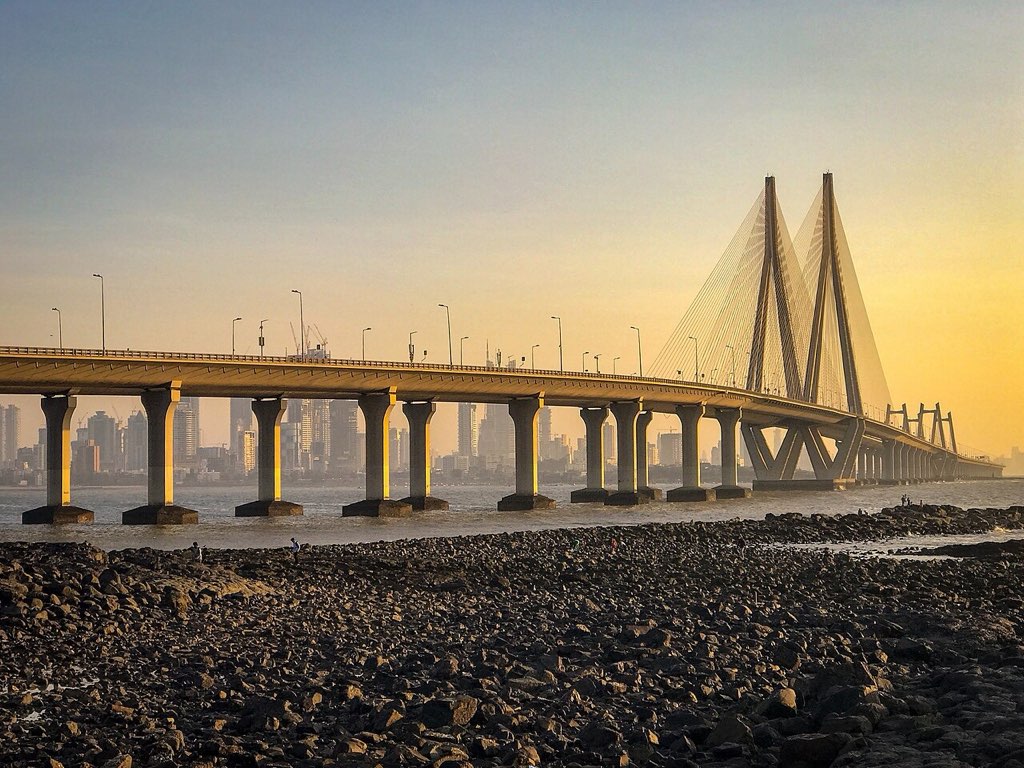
India has no one law for short-term rentals. Tourism is largely a state matter, so whether you may host paying guests in a flat in Mumbai, a villa in Assagao or a family house above Manali is decided in Panaji, Mumbai or Shimla rather than in New Delhi. We have managed short-term rentals for owners since 2015, and the first job on any new property is to identify which regime applies to it. This page is the map; each state page gives the detail, with the official texts listed as sources.
Three questions every state asks
Almost every scheme turns on the same points, answered differently from one state to the next:
- Who lives there? Kerala and Karnataka register only homes where the owner or the owner's family physically resides, and Delhi's 2007 scheme required the owner or an authorised person to live on site. Goa's Bed & Breakfast category and Rajasthan's 2026 scheme, by contrast, accept an absent owner if a designated agent, lessee or caretaker runs the unit.
- Who owns it? Several schemes register only the owner shown in the property records. Himachal Pradesh and Kerala exclude leased houses; Karnataka excludes rented, leased and sub-let homes.
- How big is it? Homestay and B&B schemes cap rooms and beds, most often at six rooms and 12 beds. Rajasthan's 2026 scheme and Uttarakhand's 2026 rules go up to eight rooms and 24 beds.
The states at a glance
- Goa: registration with the Department of Tourism under the Goa Registration of Tourist Trade Act, 1982 and Rules, 1985; ₹1,000 a year; monthly tourist statistics before the 5th.
- Maharashtra: Bed & Breakfast and homestay registrations with the Department of Tourism; in Mumbai, municipal licensing by the BMC as well.
- Delhi: the 2007 Bed and Breakfast Act was repealed by the Assembly in August 2026, and the replacement policy was still awaiting approval when we last checked.
- Himachal Pradesh: Home Stay Rules, 2025; registration only in the name of the owner recorded in land records.
- Kerala: homestay classification by the Department of Tourism, valid three years, owner and family resident.
- Karnataka: 2025 registration guidelines, owner or immediate family resident, registration valid five years.
- Rajasthan: Homestay (Paying Guest House) Scheme, 2026, open to owners, lessees or a designated caretaker.
- Uttarakhand: homestays reserved for permanent residents living in their own homes; other owners go through the Bed & Breakfast route.
NIDHI: a national database, not a licence
The Ministry of Tourism runs NIDHI, the National Integrated Database of Hospitality Industry. The Ministry describes its role as gathering data on registered and classified units, and its Incredible India homestay classification is voluntary. A NIDHI entry does not replace the registration your state requires; see it as an additional layer that can help with visibility and some central schemes.
Foreign guests: Form-III, formerly Form C
Every keeper of accommodation must report foreign guests to the Registration Officer. Under section 8 of the Immigration and Foreigners Act, 2025, in force since 1 September 2025, the report is now called Form-III (the old Form C). It is filed online on the Bureau of Immigration portal, indianfrro.gov.in, within 24 hours of arrival, and it covers OCI cardholders too. Section 23 of the Act provides for imprisonment of up to three years, a fine of up to ₹3,00,000, or both, for contraventions. When we manage a home, this filing is part of the check-in routine, not an afterthought.
GST in one paragraph
Since 22 September 2025, accommodation priced up to ₹7,500 per unit per day is taxed at 5% without input tax credit, and above that at 18% with credit. Whether you personally need a GST registration, and who accounts for the tax on a platform booking, depends on your turnover and on how the guest books. Settle this with a chartered accountant before the first stay.
Where Hexuvium fits
Several schemes will only register the owner, and we think that is right everywhere: the registration stays in your name. We work under a written management mandate — listing, pricing, guest messages, cleaning, Form-III, the monthly returns where a state asks for them. Where a state requires the owner to live on site, we say so plainly and only take on what the rules allow.
Before you apply anywhere
- Gather title documents and up-to-date property tax receipts.
- Read your housing society or RWA bye-laws.
- Ask the local body about fire, water and electricity requirements.
- Call the state or district tourism office: Himachal, Delhi, Rajasthan and Uttarakhand have all changed their rules since 2025.
Frequently asked questions
Is a NIDHI listing enough to host guests legally?
No. NIDHI is the Ministry of Tourism's national database and its homestay classification is voluntary. The registration or classification required by your state still applies.
Do I need to report OCI cardholders staying in my home?
Yes. Under the Immigration and Foreigners Act, 2025, Form-III (formerly Form C) is filed for foreign guests, OCI cardholders included, within 24 hours of arrival on indianfrro.gov.in.
What GST rate applies to a homestay room?
Since 22 September 2025: 5% without input tax credit up to ₹7,500 per unit per day, 18% with credit above that. Whether you must register for GST depends on your situation; ask a chartered accountant.
Can Hexuvium register the homestay in its own name?
No. We keep the registration in the owner's name — some states only register the recorded owner anyway — and act under a written management mandate.
In this guide
- How to register a homestay or B&B in Goa
- Registering a homestay or B&B in Maharashtra
- Delhi bed & breakfast registration: a scheme in transition
- Registering a homestay in Himachal Pradesh under the 2025 rules
- Getting a Kerala homestay classified by the Department of Tourism
- Registering a homestay in Karnataka under the 2025 guidelines
- Registering a homestay under Rajasthan's 2026 scheme
- Homestay or B&B: registering a property in Uttarakhand
Areas
State pages
More free tools
Sources
- Goa DoT — Homestay and Bed & Breakfast Policy
- Kerala Tourism — homestay classification guidelines
- Karnataka — Guidelines for Registration of Homestays, 2025
- TeamLease RegTech — Himachal Pradesh Home Stay Rules, 2025
- ETV Bharat — Delhi repeals B&B Act (Aug 2026)
- Business Standard — Rajasthan Homestay Scheme 2026
- Indian Masterminds — Uttarakhand homestay rules update
- Airbnb Help Centre — Maharashtra
- PIB — One India, One Registration under NIDHI (Aug 2025)
- NIDHI+ — About NIDHI (Ministry of Tourism)
- Immigration and Foreigners Act, 2025 — sections 8 and 23 (text)
- Form-III (ex-Form C) guidelines under the 2025 Act
- The Hans India — Form-III within 24 hours (Sept 2026)
- GST Council FAQ (Sept 2025) — hotel accommodation up to ₹7,500
- ClearTax — GST on hotel rooms, 5% / 18% from 22 Sept 2025
Updated 27/09/2026 — rules change: always check the latest official text.
Thinking of renting out your home?
Free, no-obligation estimate from Hexuvium, managing short-term rentals since 2015. Prefer WhatsApp? Leave your number — we reply there.
Get a free income estimate