
Registering a homestay under Rajasthan's 2026 scheme
Rajasthan's 2026 scheme is one of the most open in India: the owner no longer has to live on site, and a lessee or designated caretaker may run the house. The obligations have not gone away, though.
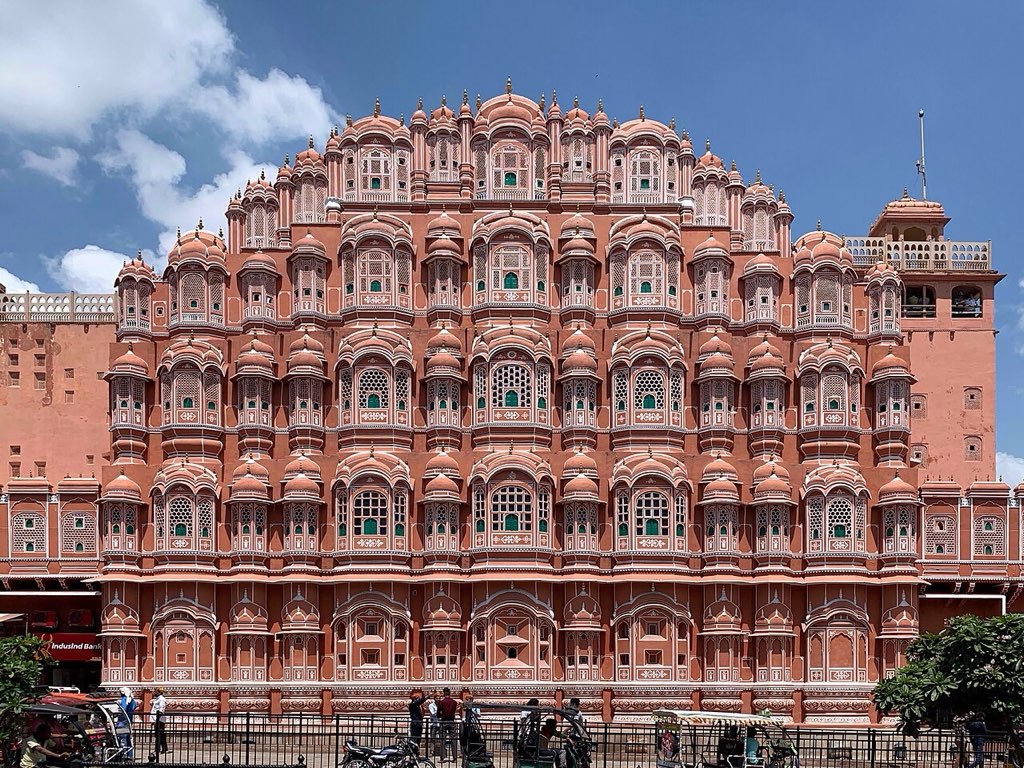
Havelis in Jaipur's walled city, guest rooms above Udaipur's lake ghats, family homes in Jodhpur, Jaisalmer and Pushkar: Rajasthan has hosted paying guests in private homes for decades under its paying guest house schemes. In February 2026 the state replaced its earlier framework with the Rajasthan Homestay (Paying Guest House) Scheme, 2026, and changed several of the points that matter most to owners.
What the 2026 scheme changed
- Owner residence is no longer required. A homestay may be operated by the owner, a lessee, or a caretaker designated in line with the scheme's guidelines.
- More rooms. The ceiling per residential unit rises from five rooms to eight, with a limit of 24 beds.
- A single window. Registration moves online through local Tourism Department offices, with fewer documents; in rural areas, owners can go to the nearest Tourist Reception Centre.
For an owner who lives in Delhi, Mumbai or abroad, this is the key difference with states like Kerala or Karnataka: a professionally run house with a designated caretaker fits the Rajasthan scheme.
Minimum standards
Each room must have an attached bathroom. The house must have adequate water and electricity, ventilation and cleanliness, and meet fire safety requirements. Parking and waste disposal must follow the standards of the local body. Heritage buildings in old city cores can make some of these points harder than they look, so walk through the house with them in mind before you apply.
Records and foreign guests
- Keep a guest register for at least seven years — longer than most states ask.
- Report the details of foreign guests to the authorities. Nationally, this means Form-III (formerly Form C) on indianfrro.gov.in within 24 hours of arrival, under the Immigration and Foreigners Act, 2025.
What to confirm with the Tourism Department
We have not been able to verify from the official scheme text the exact registration fee, the validity period, the deemed-approval timeline or the penalties, so we do not quote them here. Ask your district Tourism Office, or read the scheme PDF on the Rajasthan Tourism website, before you commit. Also check with the municipal body or panchayat whether a trade licence or other local permission is needed for your house, and with your accountant on GST: rooms up to ₹7,500 a night carry 5% without input credit since 22 September 2025, 18% above.
Designating a caretaker the right way
If you rely on a caretaker, put the appointment in writing, give the caretaker a copy of the registration, and make sure he or she knows how the guest register and foreign-guest reporting work. The scheme allows delegation of operation; it does not remove your responsibility as owner.
Lessees: read your lease first
The scheme lets a lessee operate a homestay, but it does not rewrite your lease. If you rent a haveli to run it for guests, make sure the lease expressly allows paying guests and registration in your name as lessee, and keep a copy ready for the Tourism Office.
Where Hexuvium fits in Rajasthan
This is the state where our model matches the rules most directly. The registration stays in your name as owner; under a written management mandate we can act as, or organise, the designated caretaker's work, and run listings, pricing, guest messages, housekeeping, the seven-year register and Form-III.
Frequently asked questions
Do I have to live in my Rajasthan homestay?
No. Under the 2026 scheme the homestay may be operated by the owner, a lessee or a designated caretaker.
How many rooms are allowed?
Up to eight rooms per residential unit, with a maximum of 24 beds.
How long must I keep the guest register?
At least seven years, according to the scheme as reported at its launch.
Where do I register?
Online through the local Tourism Department office; rural owners can use the nearest Tourist Reception Centre.
In this guide
- Registering a homestay or B&B in India, state by state
- Delhi bed & breakfast registration: a scheme in transition
- Homestay or B&B: registering a property in Uttarakhand
- How to register a homestay or B&B in Goa
- Registering a homestay or B&B in Maharashtra
- Registering a homestay in Himachal Pradesh under the 2025 rules
- Getting a Kerala homestay classified by the Department of Tourism
- Registering a homestay in Karnataka under the 2025 guidelines
Areas
State pages
More free tools
Sources
- Rajasthan Tourism — Homestay (Paying Guest House) Scheme, 2026 (official PDF)
- Business Standard — Rajasthan unveils Homestay Scheme 2026 (23 Feb 2026)
- GKToday — Rajasthan Homestay Scheme 2026
- Rajasthan Tourism — Guest House Scheme 2021 (previous scheme)
- Immigration and Foreigners Act, 2025 — sections 8 and 23 (text)
- GST Council FAQ (Sept 2025) — hotel accommodation up to ₹7,500
Updated 27/09/2026 — rules change: always check the latest official text.
Thinking of renting out your home?
Free, no-obligation estimate from Hexuvium, managing short-term rentals since 2015. Prefer WhatsApp? Leave your number — we reply there.
Get a free income estimate